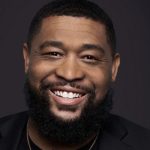
“They’re LOSING Their Minds” Scott Jennings EXPOSES The Left’s BIGGEST Weakness
Scott Jennings Reveals CNN Behind-the-Scenes Truth About Conservative Debates
Estimated read time: 12 minutes
Quick Summary
- Scott Jennings discusses being the conservative voice on CNN and the importance of not conceding ground in media
- ICE agents face 1000% increase in attacks while enforcing existing immigration laws
- Charlie Kirk’s legacy centers on “words not weapons” and faith-based civil discourse
- Democrats struggle to condemn political violence while Trump’s approval remains strong
- Jennings announces new book about Trump’s return to Washington coming November 2025
Table of Contents
Life as CNN’s Conservative Voice
Scott Jennings opens up about his unique position as the primary conservative voice on CNN, describing it as both a privilege and a mission. Despite being what he calls “the black sheep of CNN,” Jennings emphasizes the critical importance of conservative representation in mainstream media.
“As conservatives, we can’t concede any ground. We can’t concede in academia, we cannot concede business, we cannot concede education, we cannot concede the media,” Jennings states firmly. For many CNN viewers, his arguments might be the only conservative perspective they encounter all day or week.
The behind-the-scenes dynamics at CNN might surprise viewers accustomed to heated on-air debates. Jennings reveals significant camaraderie exists among regular contributors, including with liberal commentators like David Axelrod and Van Jones, with whom he’s worked for over eight years.
The Number One Rule of Punditry
“You can’t take it all personally,” Jennings explains. “You get out there, you fight for your ideas, things are going to get said, it’s going to be tense, but when it’s over, it’s over, you move on to the next topic.”
He notes that while some people struggle with this separation, the best debaters maintain composure, avoid taking things personally, and inject humor when appropriate. This professional approach allows for productive discourse even amid fundamental disagreements.
The Immigration Enforcement Reality
Jennings provides stark details about the current immigration enforcement situation, highlighting information from his interview with ICE Director Todd Lyons. According to Lyons, ICE agents were explicitly told not to enforce immigration laws during the Biden administration.
“The chief law enforcement officer of this country told them not to enforce the law. Trump shows up and says, ‘I’m just going to enforce the law,’ and they’re losing their minds,” Jennings observes.
Dangerous Escalation Against ICE Agents
The consequences of political rhetoric have manifested in alarming ways:
- 1000% increase in attacks on ICE agents
- Sniper incidents in Dallas with messages written on bullets
- Agents’ families and children being doxxed online
- Vehicles being boxed in on roads
- Schools of agents’ children posted on the internet
Jennings emphasizes these agents are simply enforcing existing laws, not creating new policies. The border’s effective closure results from Trump’s commitment to law enforcement, not new legislation.
“The minute that you say, ‘Well, okay, some of you can come and maybe it’ll work out for you,’ that’s when the flood comes. Introducing leniency into this encourages a continuation of the problem,” he explains.
Charlie Kirk’s Legacy and Political Violence
Reflecting on Charlie Kirk’s assassination, Jennings shares personal memories of their recent interactions, including conversations about Western civilization’s future. He condemns conspiracy theories surrounding Kirk’s death as “disgusting.”
“His life to me stood for words, not weapons. Debate. Hand the microphone to your opposition, let them debate you,” Jennings emphasizes. Kirk’s legacy centers on civil discourse, free speech, and living a life of faith.
The Conservative Response to Violence
When asked whether conservatives are “too weak” in their response to political violence, Jennings provides a thoughtful perspective rooted in principle and faith.
“I think we keep praying, I think we keep speaking, I think we keep debating. We cannot give in to this radicalism that says violence is sometimes justified,” he states.
Drawing parallels to Christian martyrs, Jennings notes how the apostles spread their message peacefully despite persecution. This historical example guides his belief that peaceful persistence and better arguments will ultimately prevail.
Democrats’ Response to Violence
Jennings highlights a troubling pattern in Democratic responses to political violence. After the assassination of Minnesota’s House Speaker, both parties united in condemnation. However, following Charlie Kirk’s death, over 100 Democrats voted no, voted present, or didn’t show up to condemn the violence.
He specifically mentions AOC’s leadership in opposing these condemnations and points to a Virginia attorney general candidate who wished for bullets in his opponent’s head and suggested police officers should die to “change their behavior.”
“You can’t find a Democrat to disown this. Why? Who are they afraid of?” Jennings questions.
The Double Standard in Media Coverage
If roles were reversed, Jennings argues, the media response would be dramatically different. “We would be in 24/7 cable news coverage right now. It would be a national emergency. There’d be marches, there’d be riots.”
Instead, he observes media framing the issue as “Republicans seize on Democratic problem” rather than holding Democrats accountable for their silence on political violence.
What’s Next for Scott Jennings
Jennings announces his upcoming book, “Revolution of Common Sense: How Donald Trump Stormed Washington and Fought for Western Civilization,” releasing November 18, 2025. The book, which Trump personally approved and cooperated with, chronicles the president’s first 100-120 days back in office.
“This time around they had a plan. He has the right team. This team matches his leadership style. That’s why they are able to do so much so fast,” Jennings explains.
Beyond the book, Jennings recently re-signed with CNN for another three years and continues his daily radio show on over 200 stations. His mission remains clear: ensuring conservative voices maintain their presence across all media platforms.
“I just don’t think conservatives should concede any ground. If I can change a few minds over at CNN, I’m gonna do it,” he concludes.
Key Takeaways
Q: Why does Scott Jennings stay at CNN despite being outnumbered?
A: Jennings believes conservatives cannot concede any ground in media, academia, or business. For many CNN viewers, he provides the only conservative perspective they hear, making his presence crucial for balanced discourse.
Q: What’s really happening with immigration enforcement?
A: ICE agents face unprecedented attacks (1000% increase) while simply enforcing existing laws. Under Biden, they were told not to enforce immigration law. Trump’s administration is merely returning to law enforcement, targeting criminals and those with deportation orders, not random families.
Q: How should conservatives respond to political violence?
A: Jennings advocates for peaceful persistence, debate, and prayer. He believes violence contradicts conservative values and Western civilization’s foundations. By maintaining principled, peaceful opposition with better arguments, conservatives will ultimately prevail.
Final Thoughts
Scott Jennings’ insights reveal the complex dynamics of modern political discourse, from CNN’s green rooms to the dangerous realities facing law enforcement. His commitment to maintaining conservative representation in mainstream media, combined with his principled stance against political violence, offers a blueprint for effective political engagement in turbulent times.
His upcoming book promises deeper insights into Trump’s strategic return to Washington, while his continued presence on CNN ensures conservative voices remain part of the national conversation.